Creatine for Women Over 40: Safe, Useful, or Just Hype?
Decades of research, a lingering 1990s reputation problem. What creatine actually does for strength, bone, and brain in midlife, and exactly how to take it.
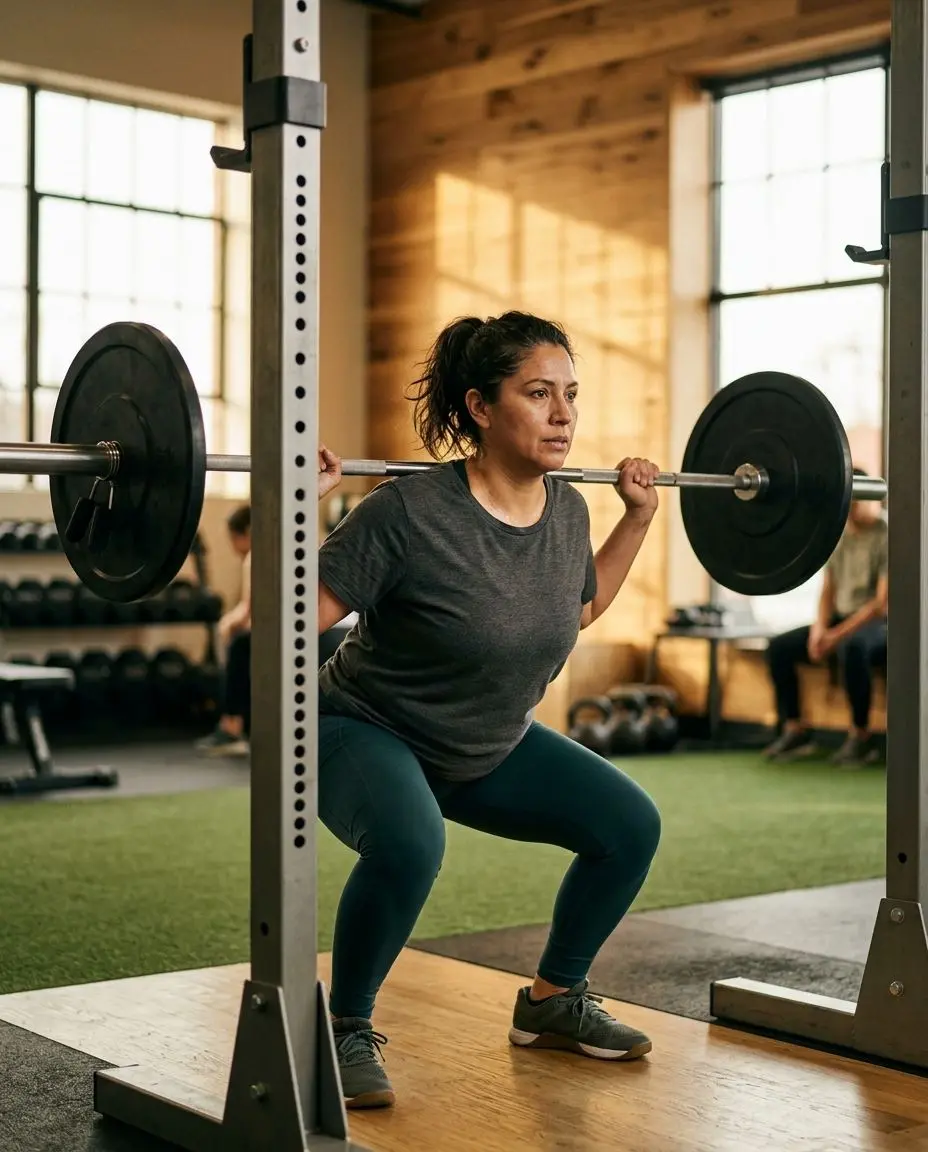
Creatine monohydrate is among the most studied supplements in sports science, and it is safe for healthy women. Taken at 3 to 5 grams daily and paired with regular strength training, it modestly improves strength, lean muscle, and training capacity, with promising early evidence for bone, brain, and mood through the menopause transition. Women also carry lower natural creatine stores than men, so many notice the difference more. No loading phase or cycling is needed, and the small early scale change is water stored inside the muscle, not bloat.
The supplement aisle is mostly noise. Powders promise transformation, deliver expensive disappointment, and rotate names every season. Creatine is the exception, with several decades of research, hundreds of trials, and a safety record long enough that sports science organizations describe it in unusually plain language. The International Society of Sports Nutrition calls creatine monohydrate one of the most effective and well-supported supplements available.
Yet many women over 40 have never seriously considered it, partly because creatine still carries the smell of a 1990s weight room. That reputation is out of date, and the women it steers away may be the group with the most to gain. Here is what creatine does, what it will not do, and how to take it if you decide it belongs in your routine.
What creatine actually does
Creatine is not a hormone and not a steroid. It is a compound your body already makes and stores in muscle, where it helps regenerate the quick energy your cells burn during short, hard efforts: the last rep of a heavy set, standing up out of a deep squat, catching yourself when you trip on a curb.
Supplementing tops up those stores, and fuller stores mean one or two more quality reps before fatigue. That sounds small until you compound it. A little more work per set, every session, for months, is precisely how strength and muscle are built. Creatine does not build anything by itself; it lets your training build slightly more, which is why every benefit below assumes you are actually training. If you are getting started, our guide to strength training through menopause covers the program side.
One detail makes this especially relevant for women: women carry meaningfully lower natural creatine stores than men and tend to eat less of it in food, since it comes mostly from meat and fish. Lower baseline stores leave more room for supplementation to matter.
What can women over 40 expect from it?
The best-established benefit is the one above: more strength and lean muscle from the same training program, modest but reliable across many trials. For a woman in midlife working against accelerating muscle loss, a reliable few percent is worth having.
The newer research is where it gets interesting for this season of life:
- Bone: trials in postmenopausal women pairing creatine with long-term resistance training have reported slower bone loss at the hip and improvements in bone geometry. Researchers describe these findings as promising rather than settled, and creatine without training shows no bone benefit at all. The training does the heavy lifting, a story we tell in full in our guide to strength training for bone density.
- Brain and mood: the brain uses creatine for the same quick-energy chemistry muscle does. Early research links supplementation with better cognitive performance under sleep deprivation and stress, and with improved response in some depression studies. Falling estrogen affects the brain's energy metabolism, which is why researchers are actively studying creatine through perimenopause and beyond.
Set expectations honestly: creatine is a percent-level amplifier, not a transformation in a tub. The transformation, if it comes, comes from two to three strength sessions a week and enough protein, which we break down in our guide to protein for women over 50. Creatine simply makes that engine run a touch stronger.
Is creatine safe for women? The myths, addressed
Creatine may be the most safety-tested supplement in existence, and for healthy adults the record is clean, including in studies running years rather than weeks. The persistent worries deserve direct answers:
- Kidneys: in healthy people, research has not shown creatine harms kidney function. It can nudge a lab marker called creatinine that physicians use to estimate kidney health, so tell your doctor you take it before bloodwork. If you have kidney disease, that physician conversation comes first.
- Bulkiness and bloat: creatine cannot make you bulky; it has no hormonal activity, and women build muscle slowly even when trying hard. The one to two pounds some women see in the first weeks is water stored inside the muscle cell, where it belongs. It is not under-the-skin puffiness, and it typically settles quickly.
- Hair loss: this fear traces to a single small study in male rugby players that measured a hormone, not hair, and it has never been replicated. There is no direct evidence that creatine causes hair loss in women.
As with any supplement, if you are managing a medical condition or taking prescription medication, run it past your physician. Good training and good supplements work alongside good medicine, never instead of it.
How to take creatine: dose, form, and timing
This is refreshingly simple, and simpler than most labels suggest:
- Form: creatine monohydrate, the plain original. Nearly all of the research used it, and the pricier variants have not shown any advantage worth paying for.
- Dose: 3 to 5 grams once a day, every day, training days and rest days alike.
- Loading: unnecessary. A week of high-dose loading fills stores faster, but a steady daily dose reaches the same place in three to four weeks with less stomach grumbling.
- Timing: whenever you will remember it. Consistency matters; the clock does not. Most people stir it into a morning drink or a post-training shake; it dissolves best in warm liquid and has almost no taste.
- Quality: choose a brand that is third-party tested, such as NSF Certified for Sport or Informed Sport, so the label matches the powder. We point members toward Thorne, which is NSF Certified for Sport and available to members through our dispensary at a discount.
Two honest footnotes. First, drink water normally; creatine pulls water into muscle, so hydration matters a little more. Second, a minority of people are non-responders, often those whose stores already run high from a meat-heavy diet. If twelve consistent weeks change nothing you can feel in the gym, you have your answer and have lost very little.
What this looks like at Valdes Performance
We do not sell supplements at the studio, and that is deliberate. Our job is the part no powder can do: a one-on-one movement assessment, then coached progressive training in small groups capped at six, the stimulus every benefit on this page depends on. When members from Winter Springs, Oviedo, Casselberry, and across Seminole County ask about creatine, this article is the conversation we have: strong evidence, simple protocol, modest and real benefits, physician looped in if there is any medical question.
Founder and head coach Cristina Valdes built Valdes Performance around being stronger for life, and no scoop of anything substitutes for the work. If you want the training side of the equation handled by coaches who watch every rep, book a free consultation and come see how it feels.
Questions, answered
If you strength train regularly, creatine is one of the few supplements with strong evidence behind it: modest, reliable gains in strength and lean muscle, plus promising early research on bone, brain, and mood through the menopause transition. Women also carry lower natural creatine stores than men, leaving more room for benefit. If you have a medical condition, ask your physician first.
No. Creatine has no hormonal activity and cannot force muscle growth beyond what your training produces, and women build muscle slowly even when trying. Some women see one to two pounds on the scale in the first weeks, which is water stored inside the muscle cell rather than under-the-skin puffiness. It typically settles quickly and is not visible bloat.
Three to five grams of creatine monohydrate once a day, every day, including rest days. No loading phase is needed; a steady daily dose fills muscle stores within three to four weeks. Timing does not matter, so tie it to an existing habit like a morning drink. Choose a third-party tested brand such as NSF Certified for Sport or Informed Sport.
In healthy adults, research spanning decades has not shown creatine harms kidney function. It can raise creatinine, a lab marker physicians use to estimate kidney health, so mention that you take it before bloodwork to avoid a misread. Anyone with kidney disease or another physician-managed condition should have that conversation before starting.
Not meaningfully. Creatine works by letting you squeeze slightly more quality work out of each training session, and those extra reps compound into strength and muscle over months. Without the training stimulus there is little for it to amplify, and studies show no bone benefit from creatine alone. Build the two to three sessions per week first, then add the supplement.